


Improved valve function
Procedure
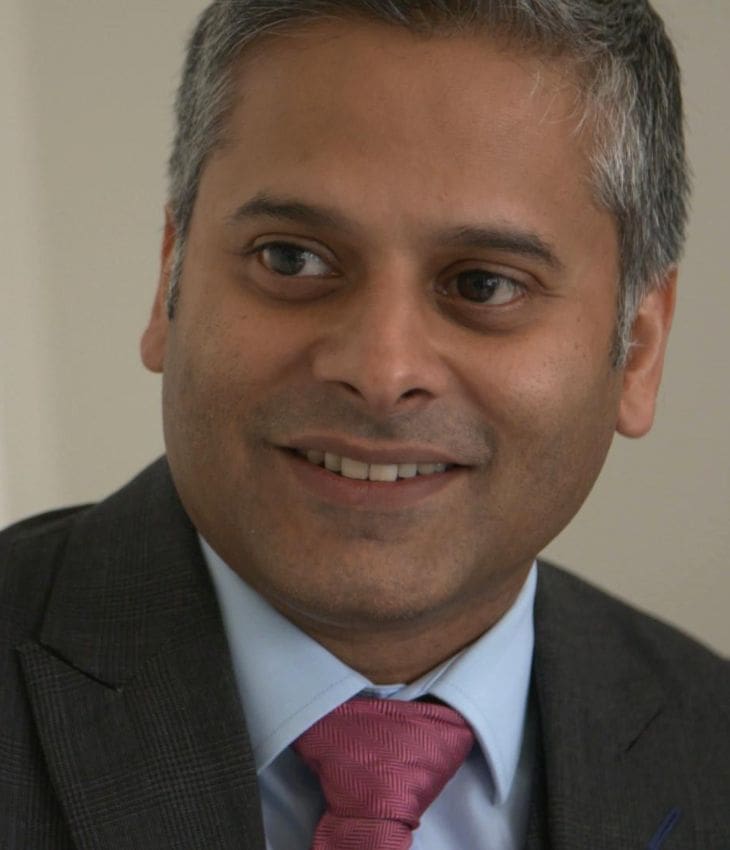
TAVI WITH DR SAYAN SEN
Procedure at a glance
Expected results:
Treatment time:
1-2 hours
Anaesthetic:
Local with sedation
Downtime:
3-5 days
Longevity:
10+ years (valve dependent)
Expected results:
Improved valve function
Treatment time:
1-2 hours
Anaesthetic:
Local with sedation
Downtime:
3-5 days
Longevity:
10+ years (valve dependent)
TAVI is a minimally invasive procedure to replace a narrowed aortic valve without open-heart surgery. Dr Sayan Sen offers expert transcatheter valve replacement from specialist cardiology centres in London for patients with severe aortic stenosis.
What is TAVI?
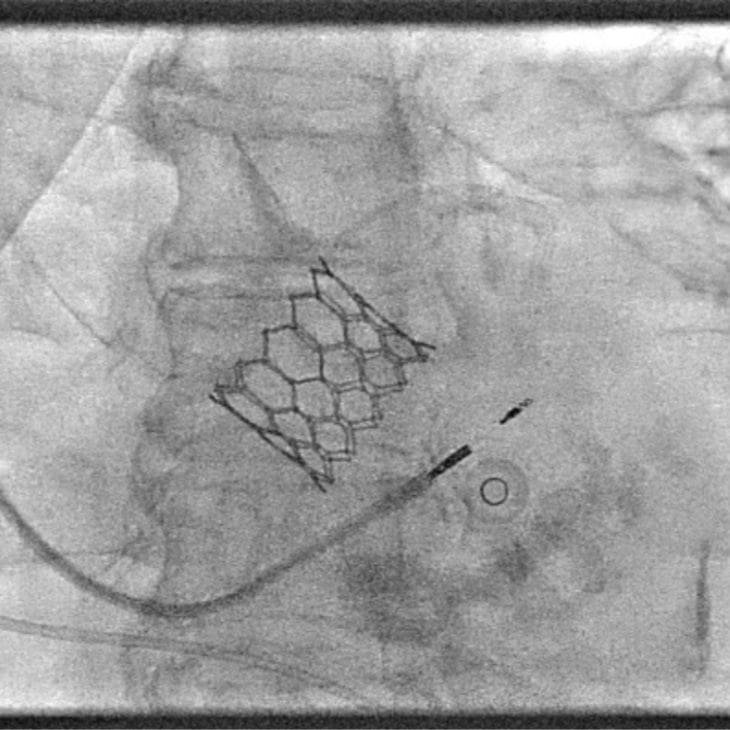
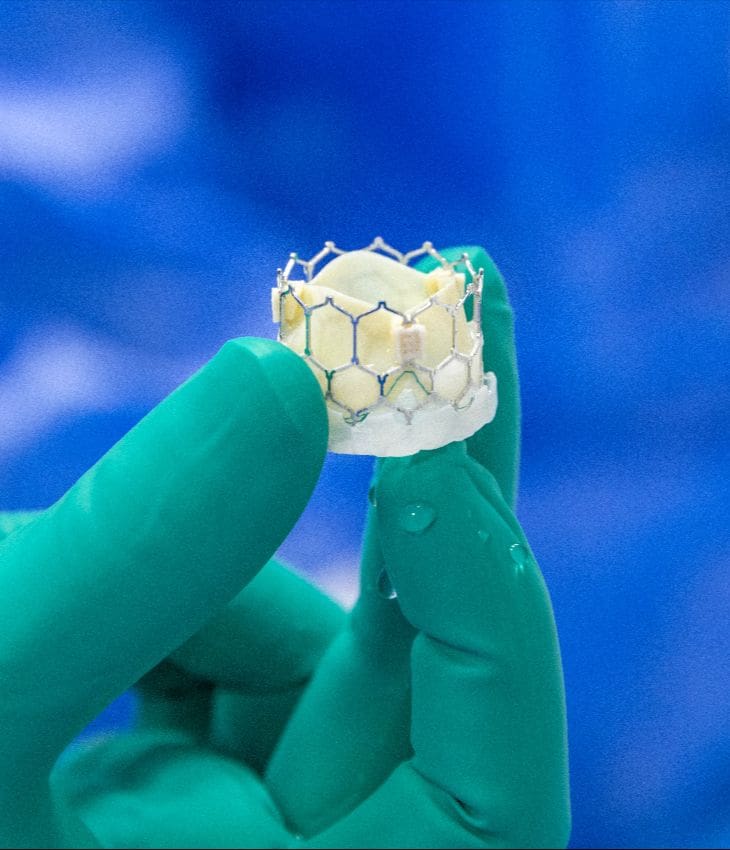
TAVI (Transcatheter Aortic Valve Implantation) is a procedure to replace a diseased aortic valve using a catheter-based approach, without the need for major surgery. It’s primarily used for patients with severe aortic stenosis.
A new valve is delivered through a blood vessel (usually via the groin) and positioned within the existing narrowed valve. Once in place, the replacement valve takes over blood flow control. TAVI offers a faster recovery, making it suitable for patients who may not be eligible for traditional open-heart valve surgery.

When Might You Need TAVI?
TAVI is recommended when the aortic valve becomes severely narrowed and begins to restrict blood flow, leading to symptoms or risk of heart failure.
- Severe aortic stenosis: Narrowing of the aortic valve causes breathlessness, fatigue or chest pain.
- High surgical risk: Ideal for patients unsuitable for conventional open-heart valve surgery.
- Fainting or dizziness: May occur when the heart can’t pump enough blood due to valve obstruction.
- Heart failure symptoms: Such as leg swelling, fluid retention or reduced exercise tolerance linked to valve disease.
What to Expect Following TAVI
Patients typically recover quickly after TAVI, with most returning home within 2 days. Dr Sen will monitor your heart function and medications closely.
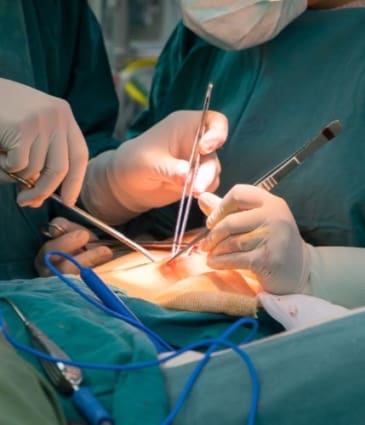
Follow-up care includes repeat echocardiography and clinical assessments to ensure the valve is working well. With clinics across London ongoing monitoring and cardiac rehabilitation are coordinated to help you regain strength, reduce risk and improve long-term heart health.

FAQs
Who is the best private TAVI specialist in London?
Dr Sayan Sen is one of the UK’s leading TAVI specialists and an internationally recognised interventional cardiologist. As Director of Cardiac Intervention, he helped develop the TAVI service at the Hammersmith Hospital, London. He now performs complex TAVI procedures regularly at the Cromwell Hospital and Cleveland Clinic London. He invited to perform TAVI as a live case operator at international cardiology conferences. Private TAVI appointments are available through One Heart Clinic at Harley Street and other London locations.
Is TAVI performed under general anaesthetic?
TAVI can be performed under general anaesthesia or under local anaesthesia with sedation, depending on patient preference and clinical factors. The trend in experienced centres is increasingly towards local anaesthesia and sedation, which is associated with faster recovery. Dr Sen will discuss the most appropriate anaesthetic approach for each patient.
How much does a TAVI cost?
Private TAVI costs in the UK vary depending on the complexity of the case and the hospital used. Patients are advised to contact Dr Sen’s clinic directly for a personalised fee estimate. Private medical insurers, including Bupa and AXA, will cover consultations to discuss your eligibility for TAVI. They will also cover the TAVI procedure if it is deemed clinically necessary. If you are uninsured, a consultation with Dr Sayan Sen to discuss eligibility and options costs from £325.
Am I eligible for TAVI?
TAVI is primarily recommended for patients with severe aortic stenosis who are at high or intermediate surgical risk, or who prefer to avoid open-heart surgery. Eligibility is assessed based on echocardiography, CT imaging, and overall health. Dr Sayan Sen will review your test results and discuss whether TAVI or open-heart aortic valve replacement is more appropriate for your individual anatomy and risk profile.
What is the recovery time after TAVI?
Most patients are discharged from hospital within 2 days after TAVI. Return to light activity is usually possible within days weeks, with most patients resuming normal daily life within 1 week. TAVI offers a significantly faster recovery than open-heart valve surgery. Dr Sen monitors all patients closely after the procedure with repeat echocardiography and follow-up appointments.
How long does a TAVI valve last?
Current TAVI valves are designed to last 10 years or more, though long-term durability data in younger patients is still accumulating. Regular echocardiographic surveillance is important to monitor valve function over time. Dr Sen will advise on the expected durability based on your age, anatomy, and the valve type used.
What is the difference between TAVI and open-heart valve surgery?
TAVI replaces the aortic valve without opening the chest or using a heart-lung bypass machine. A new valve is delivered through a catheter — usually via the femoral artery in the groin — and expanded within the existing narrowed valve. Open-heart valve replacement requires a sternotomy (chest opening) and cardiopulmonary bypass. TAVI involves less trauma, shorter hospital stay, and faster recovery, making it particularly suitable for older patients or those with other medical conditions.
Related Procedures
Related Symptoms